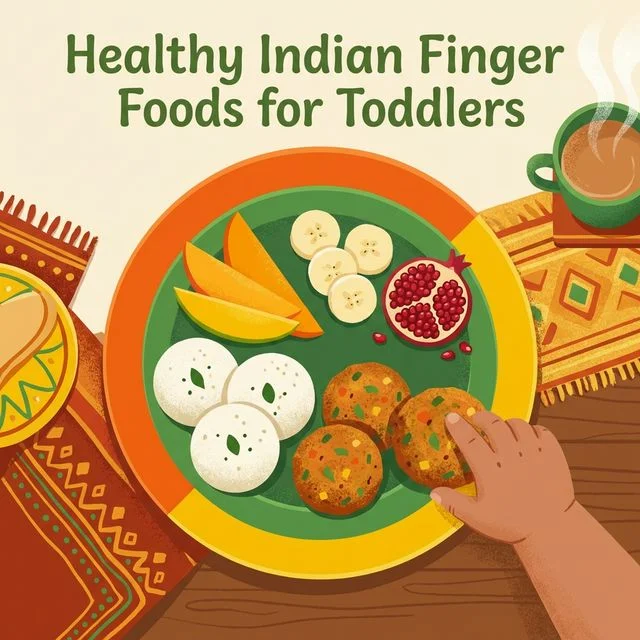
Finger Foods: The Secret to Building Independence (and a Pincer Grasp!)
There is a magical moment in every parent's journey. You are holding the spoon, making airplane noises, trying to get that mushy puree into your baby's mouth... and suddenly, they reach out. They grab the spoon. Or they look longingly at the Idli on your plate.
They are telling you something important: "I want to do it myself."
Introducing Finger Foods isn't just about nutrition. It is a massive developmental milestone. It is where your baby transitions from a passive receiver of food to an active participant in eating.
But as an Indian parent, the transition can be scary. We are used to mashing everything into a safe, unrecognizable paste. Will they choke? Is it messy?
Let's explore why Finger Foods are crucial for your baby’s brain and motor skills, and how to start safely with our Indian kitchen staples.
Key Takeaways
- Finger foods aren't just about nutrition—they train the pincer grasp, hand-eye coordination, and the fine motor skills your baby will later use to hold a pencil.
- Learn the difference between gagging (loud, red, normal) and choking (silent, blue, emergency): "Loud and Red, let them go ahead. Silent and Blue, they need help from you."
- Match the food to the stage: long finger-sized pieces at 6–8 months, soft cubes once the pincer grasp appears at 9–12 months.
- Your Indian kitchen already has the best finger foods—idli strips, soft paneer cubes, steamed veggies—no expensive puffs needed.
Why Finger Foods Matter: It's Brain Training!
Eating with hands is a workout for a baby's developing brain.
1. The Pincer Grasp (Fine Motor Skills)
Around 9 to 12 months, babies develop the Pincer Grasp—using the tip of the thumb and index finger to pick up a small object (like a pea or a bead).
- Why it matters: This same muscle coordination is what they will later use to hold a pencil, button a shirt, or use a zipper.
- The Food Connection: Picking up a small cube of paneer or a raisin is the perfect exercise to strengthen these tiny finger muscles.
2. Hand-Eye Coordination
Seeing a piece of food, reaching for it, grasping it, and successfully navigating it to the mouth is a complex sequence. It teaches spatial awareness and coordination.
3. Sensory Exploration
When a baby touches a steamed carrot vs. a sticky piece of banana, they are learning about textures. "Mushy," "Hard," "Slippery," "Rough." This sensory play reduces pickiness later because the brain isn't surprised by new textures in the mouth.
Safety First: Gagging vs. Choking
The biggest fear parents have is choking. It is vital to know the difference between Gagging and Choking.
| Feature | Gagging (Normal) | Choking (Emergency) |
|---|---|---|
| Sound | Loud! Coughing, sputtering, retching. | Silent. No sound can come out. |
| Color | Face may turn Red. | Face/Lips may turn Blue. |
| Action | Baby pushes food forward out of mouth. | Airway is blocked; baby cannot breathe. |
| What to do | Do nothing. Let them cough it up. | Intervene immediately. (First Aid). |
Remember the rhyme: "Loud and Red, let them go ahead. Silent and Blue, they need help from you."
Gagging is a safety reflex. It means your baby is learning to map their mouth. It usually subsides as they get practiced at chewing.
The Best Indian Finger Foods: Age by Age
Forget expensive puffs. Your kitchen has the best finger foods. Here's a quick age-by-age snapshot before we dig into each stage:
| Stage | Age | Grasp | Food shape & examples |
|---|---|---|---|
| Stage 1 | 6–8 months | Palmar (whole fist) | Long, thick-finger sticks: idli strips, steamed carrot/pumpkin sticks, toast soldiers |
| Stage 2 | 9–12 months | Pincer (thumb + finger) | Soft cubes and small bits: paneer cubes, smashed peas, ripe fruit chunks, cooked beans |
| Stage 3 | 12+ months | Pro eater | Bite-sized real food: torn dosa/paratha, soft ragi cookies, lightly crushed makhana |
Stage 1: The "Palmar Grasp" (6-8 Months)
Baby grabs with the whole fist. Foods need to be long and easy to hold (size of a thick finger).
- Idli Strips: Cut a soft idli into long rectangular fingers.
- Steamed Carrots/Pumpkins: Cook until very soft (squishable between fingers) and cut into sticks.
- Toast Soldiers: Fingers of toast with a thin layer of ghee.
- Drumstick (Moringa): Some babies love gnawing on the soft flesh of a cooked drumstick (under supervision).
Stage 2: The "Pincer Grasp" (9-12 Months)
Baby can pick up smaller bits. Food can be cut into cubes.
- Paneer Cubes: Small, soft cubes of fresh paneer. (Great protein!)
- Cooked Dal/Rajma: A few whole cooked beans (flatten them slightly to prevent rolling).
- Fruit Chunks: Small pieces of ripe mango, banana, or papaya.
- Green Peas: Steamed and slightly smashed.
- Pasta: Spiral or Shell pasta (cooked well) works great with a little ghee.
Stage 3: The "Pro Eater" (12+ Months)
- Mini Dosas/Parathas: Tear into bite-sized pieces.
- Ragi Cookies: A soft Rise Ragi Cookie is perfect—it holds its shape but melts in the mouth, preventing choking risks while delivering calcium.
- Makhana: Roasted and slightly crushed (avoid whole round makhana as it's a choking hazard).
Once your little one is a confident self-feeder, many of these same foods double as mess-free finger foods for travel and outings.
5 Rules for Finger Food Success
- Sit Upright: Never feed a baby who is reclining or in a car seat. They must be seated upright in a high chair.
- Texture Check: If you press the food between your thumb and finger, it should squish easily. If it doesn't squish, it's too hard.
- No Distractions: Turn off the TV. Let them focus on the food.
- Embrace the Mess: Food will land on the floor, in their hair, and on the dog. It's part of the process. A messy eater is a learning eater!
- Model It: Eat with them. Show them how you pick up a piece of food and chew. They are master imitators.
Frequently Asked Questions
When can my baby start finger foods? Most babies are ready around 6 months, when they can sit upright with support and show interest in your food. At this palmar-grasp stage, offer long, soft, finger-sized pieces they can grab with their whole fist.
Are finger foods a choking hazard? There is always some risk, but you reduce it dramatically by seating baby fully upright, offering foods that squish easily between your thumb and finger, and avoiding hard, round items like whole makhana or whole grapes. Learn to tell gagging (loud and red—normal) from choking (silent and blue—emergency).
My baby just gags and spits food out. Is that bad? No—gagging is a protective reflex, not choking. It means your baby is learning to move food safely around their mouth, and it usually eases as they get more practice chewing.
Which Indian foods make the best first finger foods? Soft idli strips, well-steamed carrot or pumpkin sticks, toast soldiers with a little ghee, and later soft paneer cubes and ripe fruit chunks. Your kitchen staples work better (and cheaper) than store-bought puffs.
Isn't baby-led weaning too messy? Yes, it's messy—and that mess is part of the learning. A baby who explores textures with their hands is building the sensory confidence that helps prevent picky eating later, so embrace the drop cloth under the high chair.
Conclusion
Handing your baby a stick of carrot instead of a spoon of puree feels like a small moment. But in that moment, you are giving them agency. You are saying, "I trust you to nourish yourself."
It builds confidence. It builds dexterity. And yes, it builds a bit of a mess.
But when you see that tiny hand successfully navigate a piece of idli into a smiling mouth, you'll know—they are taking their first real bite of independence.
References & Scientific Sources
- Uptodd. "Benefits of Self-Feeding for Toddlers." https://www.uptodd.com
- National Health Service (NHS). "Help your baby learn to feed themselves." https://www.nhs.uk
- American Academy of Pediatrics. "Starting Solid Foods." https://www.healthychildren.org
- Solid Starts. "Gagging vs. Choking." https://solidstarts.com (Safety guidelines).
Perfect little hands-on snacks.
Crunchy, mess-free millet puffs that are easy to grip — ideal for self-feeding and lunchboxes.
Start here
The Science of Self-Feeding: Why Messy Eating is Actually Brain Development
Tired of cleaning up food from the floor? Discover why that mess is a crucial part of your child's brain development and how to embrace the chaos.
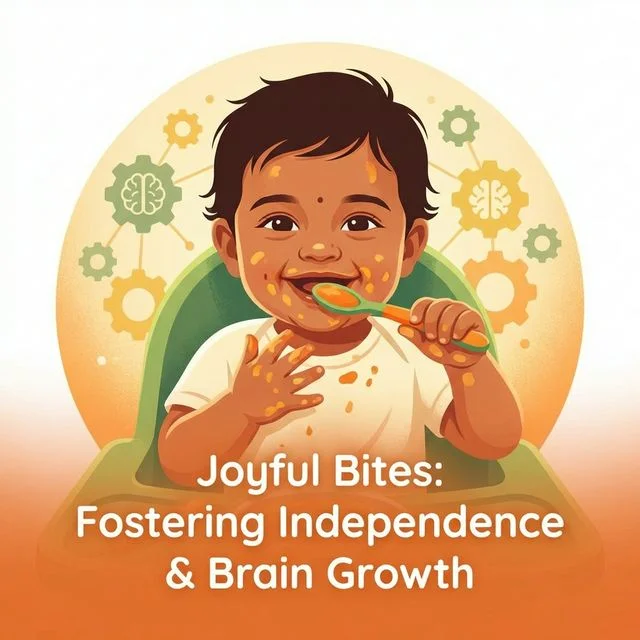
The Science of Self-Feeding: Why Messy Eating is Actually Brain Development
Tired of cleaning up food from the floor? Discover why that mess is a crucial part of your child's brain development and how to embrace the chaos.
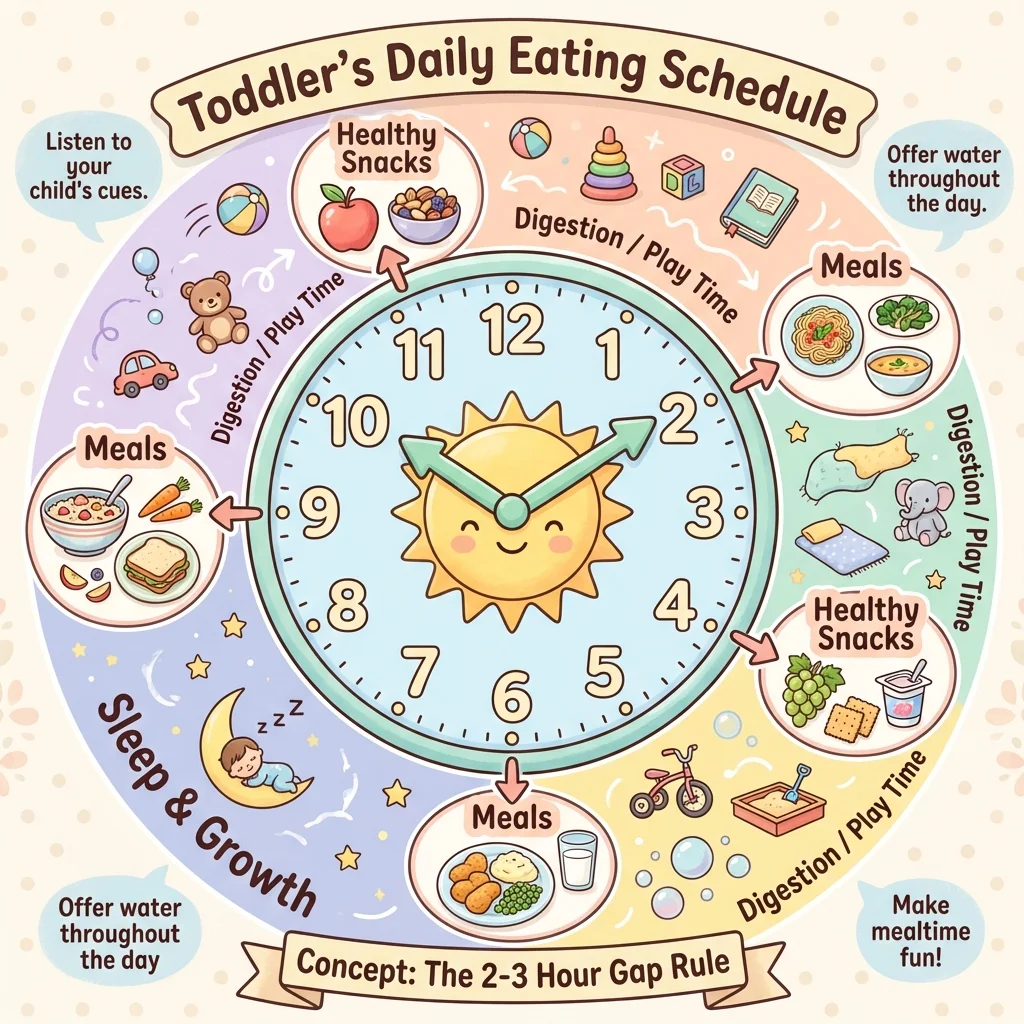
The 2-Hour Rule: Why 'Grazing' is Ruining Your Toddler's Appetite
Is your child munching all day but refusing dinner? It's time to stop the grazing. Here is the science of the Perfect Snack Schedule.
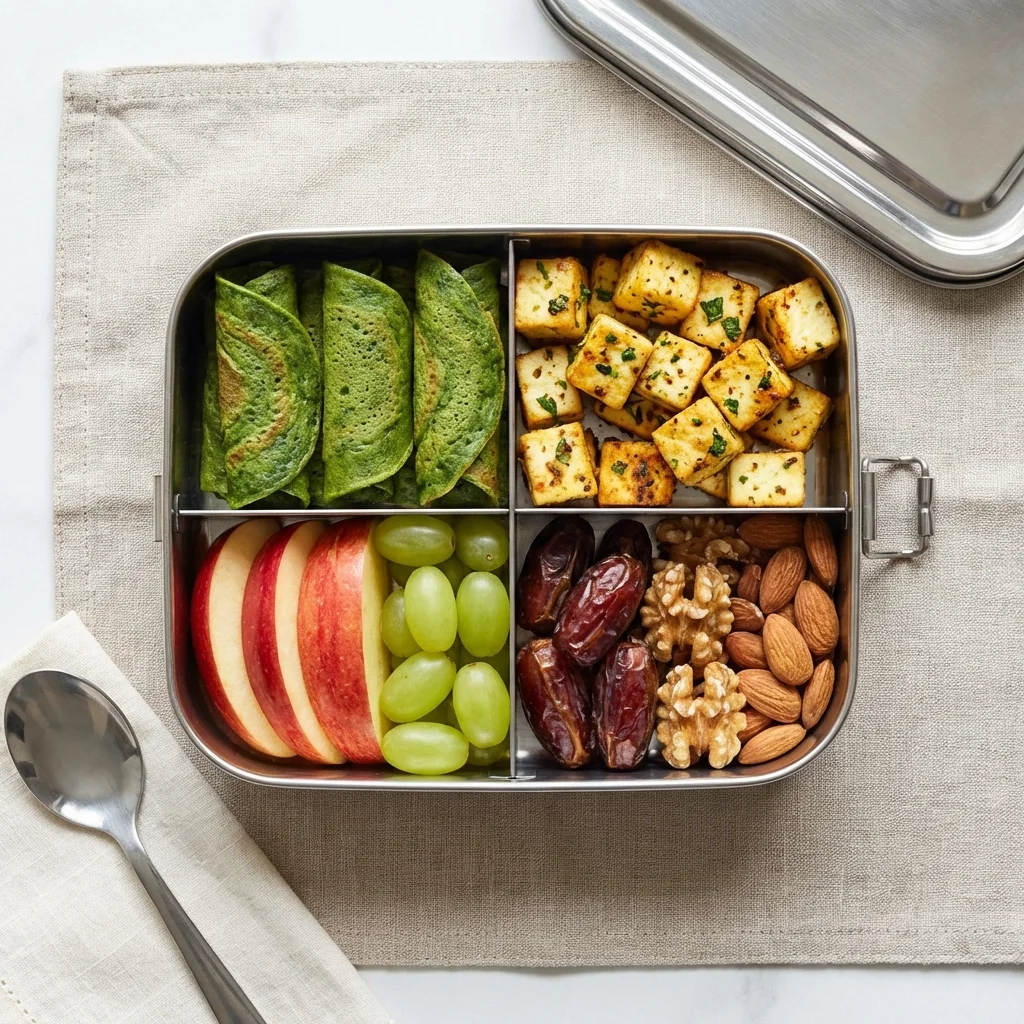
The Anti-Soggy Tiffin Guide: 5 School Snacks That Stay Fresh
Tired of your child bringing back a full lunchbox? It might be the 'Soggy Sandwich' factor. Here are 5 nutrient-dense, non-messy Indian tiffin ideas.
Share this knowledge
Help other parents raise healthy champions!