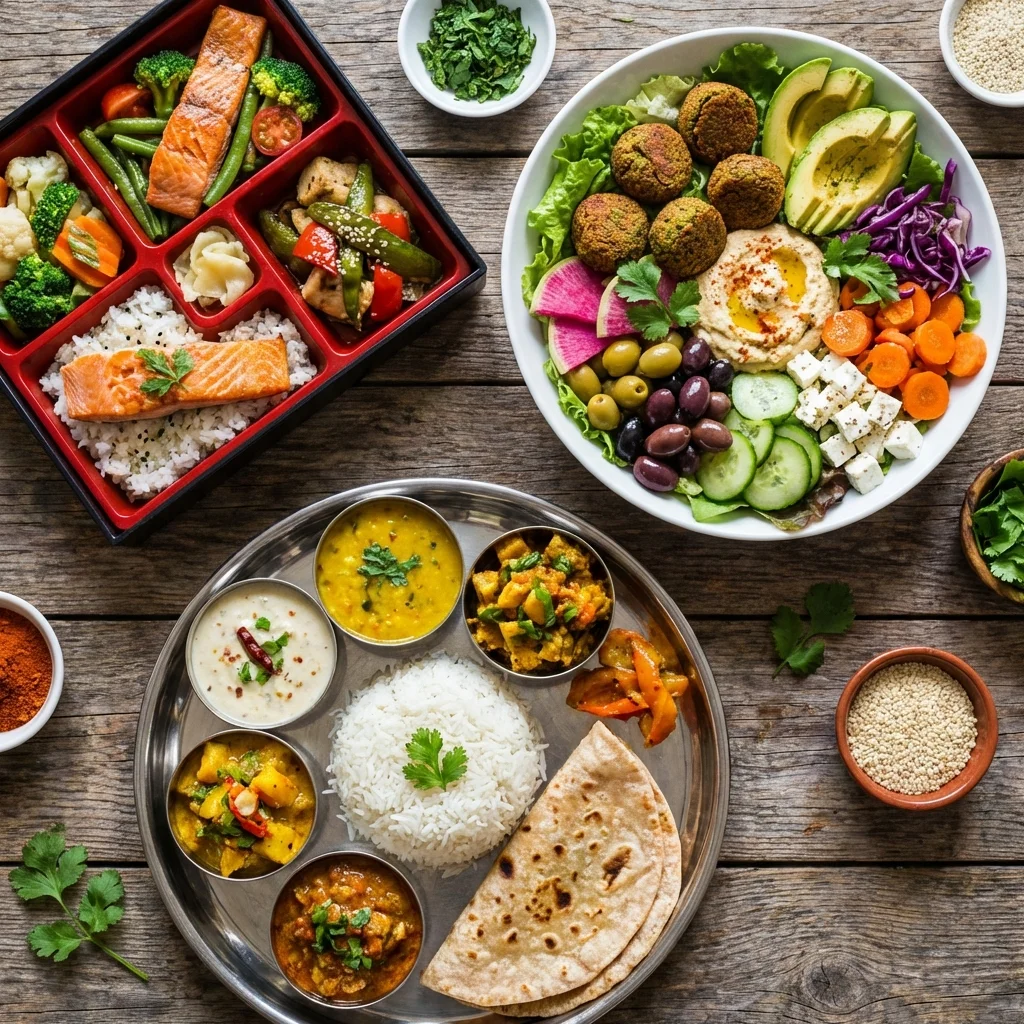
Global Standards of Nutrition: How the World Defines 'Healthy' for Kids
Nutrition is universal—every human body needs the same biochemical inputs to survive. Yet, the interpretation of healthy eating varies wildly across the globe. Culture, geography, and government policy all shape what ends up on a child's dinner plate.
As we strive to provide the best for our children in an increasingly globalized world, looking at international nutrient standards offers valuable insights. Are we missing something? What can we learn from the countries with the healthiest children? (Check out our Guide to Essential Nutrients to see what to aim for).
In this article, we journey across continents to explore nutrient standards and dietary philosophies from the World Health Organization (WHO), Japan, the Mediterranean, and the West, comparing how they define and achieve optimal growth for children.
Key Takeaways
- Every country needs the same nutrients, but culture and policy shape how they achieve them—from Japan's food-education classes to the Mediterranean's family meals.
- The WHO focuses on the first 1,000 days, Japan on variety (30 foods a day), the Mediterranean on quality fats and plant-forward eating, and the West on managing an abundance of nutrient-poor food.
- India blends Ayurvedic wisdom (spices, pulses) with modern ICMR guidance, while working to close a protein gap and reduce an over-reliance on rice and wheat.
- The smartest home strategy borrows the best of each: half a plate of produce, chase variety, use good fats, mind the sugar, and respect your own food culture.
Global Nutrition Approaches Compared
Before we explore each in depth, here's how the major models stack up:
| Model / Body | Core philosophy | Signature practice |
|---|---|---|
| WHO | Protect the first 1,000 days | Exclusive breastfeeding to 6 months; free sugars under 10% of energy |
| Japan (Shokuiku) | Food education, not just food | Aim for 30 foodstuffs a day; eat until 80% full (Hara Hachi Bu) |
| Mediterranean | Quality over strict math | Olive oil as primary fat; plant-forward pyramid; shared family meals |
| Western (MyPlate) | Manage abundance | Half the plate fruits and vegetables; mandatory "added sugars" labels |
| India (ICMR) | Tradition meets modern science | "My Plate for the Day"—fewer cereals, more pulses, milk, and vegetables |
The Gold Standard: WHO Guidelines
The World Health Organization (WHO) provides the baseline for global health. Their Child Growth Standards are the yardstick used by pediatricians everywhere to track height and weight.
Key Philosophies:
- Exclusive Breastfeeding: Strongly recommended for the first 6 months.
- Complementary Feeding: Introducing nutrient-rich solids at 6 months while continuing breastfeeding up to 2 years or beyond.
- Sugar Limit: A strong stance on limiting free sugars to less than 10% (ideally 5%) of total energy intake to prevent obesity and tooth decay.
The Takeaway: The WHO focuses heavily on the start of life, recognizing that the first 1000 days (conception to age 2) determine a child's health trajectory forever.
Japan: Shokuiku (Food Education)
Japan consistently boasts some of the lowest childhood obesity rates and longest life expectancies in the world. Their secret isn't just what they eat, but how they view food.
The Concept: Shokuiku translates to "food education." It is a philosophy mandated by law. In Japanese schools, lunch isn't just a break; it's a class. Children serve each other, eat together in the classroom, and clean up afterwards.
Nutrient Focus:
- Variety: The specific guideline is to eat 30 different foodstuffs per day. This naturally ensures a broad spectrum of micronutrients without needing to calculate RDAs.
- Fish & Fermentation: High intake of Omega-3s (fish) and probiotics (miso, natto) supports gut health and brain development.
- Portion Control: Meals are served in small, separate bowls rather than one big plate, encouraging mindful eating and stopping when full (Hara Hachi Bu - eat until 80% full).
Lesson for Parents: Involve your children in the serving and cleanup process. Encourage variety over quantity.
The Mediterranean Model: Quality over Strict Math
Countries like Italy, Greece, and Spain follow the Mediterranean Diet, widely considered one of the healthiest dietary patterns for heart health.
The Pyramid: Unlike the old USDA pyramid which was heavy on grains, the Mediterranean pyramid is built on:
- Base: Physical activity and social meals.
- Tier 1: Fruits, vegetables, whole grains, olive oil, beans, nuts, seeds, herbs (EVERY MEAL).
- Tier 2: Fish and seafood (OFTEN).
- Tier 3: Poultry, eggs, cheese, yogurt (MODERATE).
- Top: Meats and sweets (LESS OFTEN).
Nutrient Focus:
- Healthy Fats: Olive oil is the primary fat source, providing monounsaturated fats crucial for cell integrity.
- Antioxidants: The heavy emphasis on colorful plants means high intakes of Vitamins C, E, and phytochemicals.
Lesson for Parents: Make olive oil your go-to fat. Treat red meat as a "special occasion" food rather than a daily staple. Eat meals together as a family.
The Western Challenge: Managing Abundance
In the US, UK, and Australia, the challenge is often not scarcity, but the abundance of calorie-dense, nutrient-poor foods.
The Shift: Western guidelines have shifted dramatically in the last decade.
- MyPlate (USA): Replaced the food pyramid. It visualizes a plate where half is fruits and vegetables.
- Labeling Laws: Strict requirements for listing "Added Sugars" and trans fats help parents make better choices.
The Struggle: Despite good guidelines, the "Standard American Diet" (SAD) is high in processed ultra-palatable foods. This leads to the paradox of "overfed but undernourished" children—kids who exceed calorie limits but miss targets for Calcium, Potassium, Fiber, and Vitamin D.
Lesson for Parents: The environment matters. If junk food is in the house, it will be eaten. The western "pantry" often needs a makeover to resemble a whole-foods kitchen.
The Indian Context: Tradition meets Modern Science
India presents a unique landscape with a long history of Ayurvedic principles blending with modern ICMR (Indian Council of Medical Research) standards.
The Strength:
- Spices: Turmeric, cumin, and ginger are anti-inflammatory powerhouses included daily.
- Pulses: Lentils (dal) are a primary protein source, rich in fiber.
The Challenge:
- Protein Gap: Vegetarian diets can sometimes fall short on complete proteins if diversity isn't monitored.
- Carb Heavy: Traditional diets can be very heavy on rice and wheat, sometimes displacing vegetables.
The ICMR Solution: Recent guidelines emphasize "My Plate for the Day" tailored to Indian genetics and lifestyles, pushing for a reduction in cereals and an increase in pulses, milk, and vegetables to combat the rising risk of diabetes.
Synthesizing a Global Strategy for Your Home
So, how do we combine these global lessons into a strategy for our own kids?
- Adopt the "Half Plate" Rule (Western/Global): Fill half their plate with veggies and fruit at every meal.
- Chase Variety (Japan): Don't just eat "vegetables"; eat different vegetables. Aim for 30 different plant foods a week.
- Use Good Fats (Mediterranean): Don't fear fat. Drizzle olive oil on veggies; serve avocado and nuts.
- Mind the Sugar (WHO): Treat sugar as a spice, not a food group, and consider gentler sweeteners like jaggery, dates, and honey over refined sugar.
- Respect the Culture (Local): Use the spices and flavors your family loves, but apply these nutritional principles to them.
Frequently Asked Questions
Which country has the healthiest approach to childhood nutrition? There's no single winner—each model has a strength. Japan excels at variety and food education, the Mediterranean at quality fats and shared meals, and the WHO at protecting early life. The best approach for your family blends these lessons with your own food culture.
What is Shokuiku? Shokuiku is Japan's philosophy of "food education," mandated by law. In schools, lunch is treated as a class where children serve each other, eat together, and clean up, teaching them to value variety, mindfulness, and where food comes from.
How much sugar should children have? The WHO recommends keeping free sugars below 10% of total energy intake, and ideally under 5%, to help prevent obesity and tooth decay. Treating sugar as an occasional flavour rather than a daily food group is the practical takeaway.
What is the main nutrition challenge in India? India's traditional diet is strong on spices and pulses but can lean heavily on rice and wheat, sometimes displacing vegetables, and vegetarian diets can fall short on complete protein without variety. Current ICMR guidance nudges families toward fewer cereals and more pulses, milk, and vegetables.
What is the simplest global rule I can use at home? Fill half your child's plate with fruits and vegetables at every meal. It's borrowed from the Western MyPlate model and instantly shifts the balance toward whole foods without any calorie counting.
Conclusion
Standards like RDA gives us the numbers, but looking at global cultures gives us the method. Nutrition isn't just about molecules; it's about meals. It's about the joy of eating, the tradition of sharing, and the science of growing.
By blending the scientific rigor of RDA standards with the holistic wisdom of global food cultures, we can create a "Rise Standard" for our children—one that ensures they are strong, smart, happy, and ready to take on the world. That same standard guides every one of our Rise Kids snacks—built to add variety and nutrient density to your child's day, the way these global cultures intend.

Snacks that pull their nutritional weight.
Put the 25% Rule into practice — millet snacks engineered to deliver real nutrients, not empty calories.
Start here
The 25% Rule: Why Your Child's Snacks Should Match Their Nutritional Needs
Did you know 25-30% of your child's calories come from snacks? Discover the '25% Rule'—a science-backed guide to ensuring those bites build bones, immunity, and brain power.
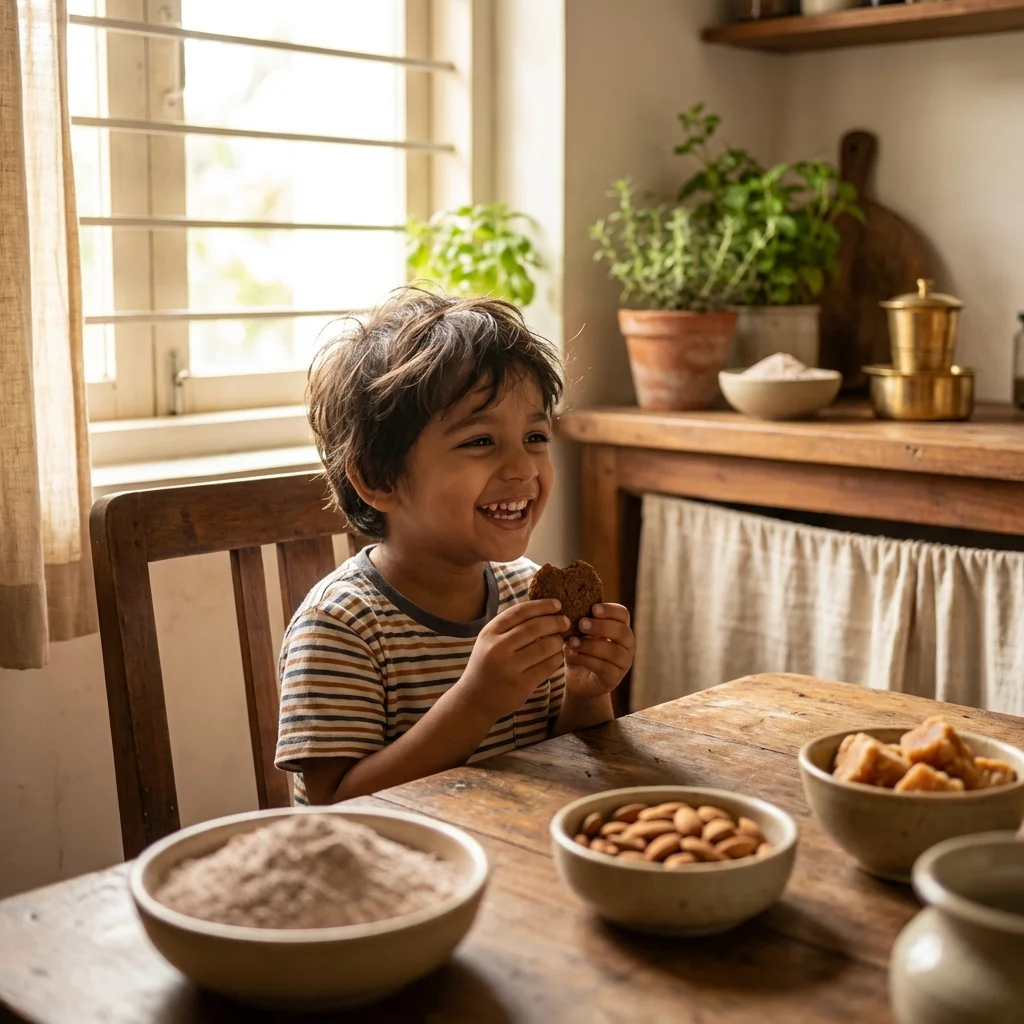
The 25% Rule: Why Your Child's Snacks Should Match Their Nutritional Needs
Did you know 25-30% of your child's calories come from snacks? Discover the '25% Rule'—a science-backed guide to ensuring those bites build bones, immunity, and brain power.
Decoding RDA: What Recommended Dietary Allowances Really Mean for Your Family
RDA, EAR, UL? Confused by nutrition acronyms? We break down the science of Recommended Dietary Allowances and how to use them to ensure your child isn't just surviving, but thriving.
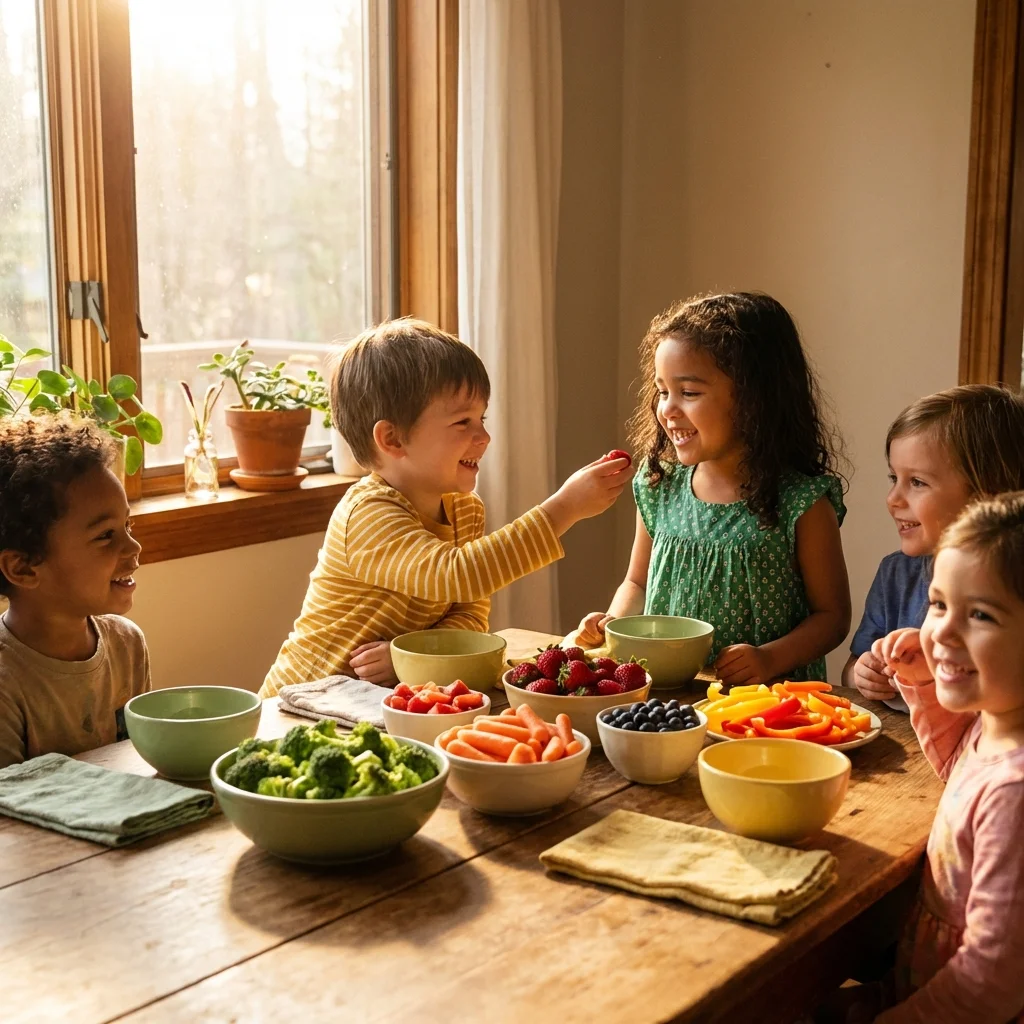
The Ultimate Guide to Essential Nutrients for Growing Kids: What Every Parent Needs to Know
Unlock the secrets of childhood nutrition. A comprehensive deep dive into the 7 essential nutrients that fuel your child's growth, brain development, and immune system, backed by the latest RDA standards.
Share this knowledge
Help other parents raise healthy champions!