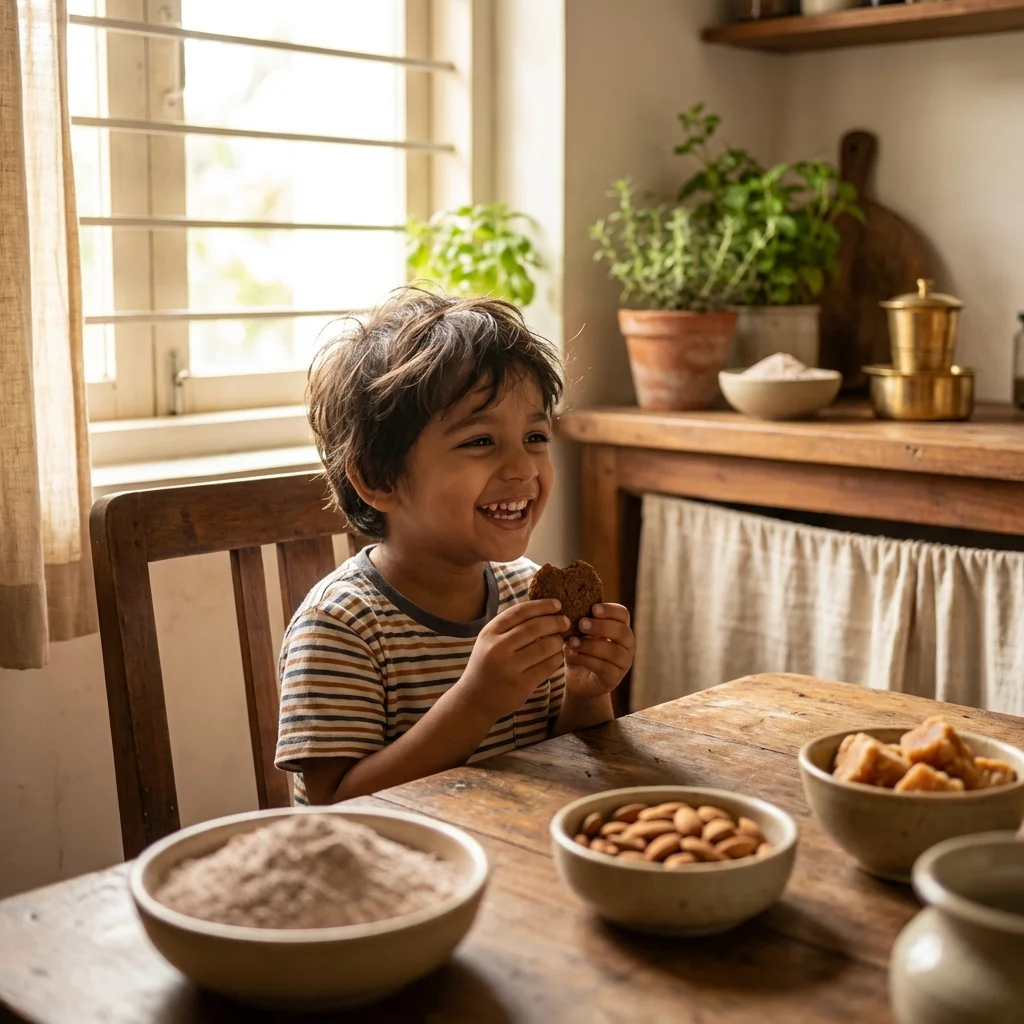
The 25% Rule: Why Your Child's Snacks Should Match Their Nutritional Needs
If you live in a bustling city like Chennai, Bangalore, or Hyderabad, the evening routine is almost universal. The school bus stops, your little one jumps off, and before they even take off their shoes, the request comes:
"Amma, I'm hungry! What's there to eat?"
As parents, we pour our hearts into planning balanced meals. We ensure breakfast has protein (maybe a hearty dosa or an egg), lunch has vegetables (perhaps rice with kootu or spinach), and dinner is wholesome. But that 4 PM to 6 PM window? That remains the "Wild West" of childhood nutrition.
For decades, snacking was seen as an afterthought—a biscuit here, a pack of chips there, just to "bridge the gap" until dinner. But recent nutritional data reveals a startling truth that changes everything we thought we knew about feeding our kids.
It turns out, those "small" snacks aren't so small after all.
Key Takeaways
- Snacks now supply roughly 25–30% of a child's daily calories — so they can no longer be treated as nutritionally optional "fillers."
- The 25% Rule: if a snack provides ~25% of daily calories, it should also deliver ~25% of daily essential nutrients like protein, calcium, and iron.
- Empty snacks (maida biscuits, chips) create a calorie–nutrient mismatch, fuelling "hidden hunger" — well-fed on the outside, undernourished within.
- Traditional South Indian foods like ragi, sundal, and makhana naturally pass the 25% test; swapping refined snacks for these closes real deficiency gaps.
The Hidden Impact: Why Snacking is No Longer Just a Treat
Recent dietary analyses and consumption patterns in urban India reveal a critical shift: Snacks now contribute to nearly 25-30% of a child's daily caloric intake.[1]
Let that sink in. Nearly one-third of the energy your growing child consumes comes not from their main nutritious meals, but from the snacks they eat in big and small breaks.
In a traditional setting, this wasn't an issue. A snack used to be a bowl of sundal (tempered chickpeas), a guava, or a homemade ragi laddu. These were nutrient-dense. Today, however, the landscape has changed. The market is flooded with hyper-palatable, ultra-processed foods that are high in calories but nutritionally empty.
This creates the Calorie-Nutrient Mismatch:
- Calories: Determining weight gain (often leading to obesity).
- Nutrients (Protein, Calcium, Iron): Determining height, brain development, and immunity.
When a child fills up on low-nutrient snacks, they may meet their calorie needs but starve their body of the building blocks required for growth. This phenomenon is often called "Hidden Hunger"—where a child looks well-fed but is internally undernourished.
This brings us to the core philosophy that can transform your child's health: The 25% Rule.
The Science Behind The 25% Rule
The logic is simple, mathematical, and rooted in physiology:
"If a snack provides ~25% of your child's daily calories, it MUST provide ~25% of their daily essential nutrients."
Children have small stomachs but massive energy needs. They cannot afford "empty calories." Every bite needs to work hard. If a snack takes up space in their stomach, it has to pay "rent" in the form of nutrition.
But what does this look like in terms of numbers? Let's look at the science.
Understanding Recommended Dietary Allowances (RDA)
The Indian Council of Medical Research (ICMR) and the National Institute of Nutrition (NIN) define the RDAs for Indian children. These aren't just suggestions; they are biological requirements.
For a typical child aged 4-6 years, here is what their body demands every single day:
| Nutrient | Daily RDA (ICMR 2020) [2] | Why It Matters |
|---|---|---|
| Protein | ~16g - 20g | Critical for muscle growth, tissue repair, and enzyme production. |
| Calcium | 550 - 600 mg | Essential for bone density. 90% of bone mass is built before age 18. |
| Iron | ~11 mg | Transports oxygen to the brain. Deficiency causes fatigue and poor focus. |
| Fiber | ~25g (Total Diet) | Maintains gut health and prevents constipation and blood sugar spikes. |
The Gap in Modern Diets
Meeting these numbers with just three meals is incredibly difficult.
- To get 600mg of Calcium, a child needs roughly 2.5 glasses of milk or huge servings of greens.
- To get 11mg of Iron, they need significant portions of lentils, greens, or fortified foods.
If the evening snack is just plain glucose biscuits or potato chips, it provides roughly 0% of these nutrients. This puts immense pressure on breakfast, lunch, and dinner to deliver 100% of nutrition, which—given the fussiness of typical 5-year-olds—is a recipe for deficiency.
By applying the 25% Rule, you ensure the snack contributes roughly:
- 4-5g of Protein
- 150mg of Calcium
- 2-3mg of Iron
Suddenly, the daily targets become achievable. The snack becomes a "fourth meal" that supports their growth.
The Indian Context: Nutrition Gaps We Cannot Ignore
Why is this rule particularly urgent for us? The data from the National Family Health Survey (NFHS-5) matches what pediatricians see in their clinics every day.
1. The Calcium Crisis
Studies in urban Indian school children show a staggering 60% prevalence of Calcium deficiency.[3] This is alarming because childhood is the only time bone bank deposits are made. If they don't get enough calcium now, they are at higher risk of osteoporosis later in life.
2. The Iron Deficiency Epidemic
Nearly 50% of children in urban settings suffer from some form of Iron Deficiency Anemia.[3] This isn't just about looking pale; iron deficiency directly impacts cognitive performance, attention span in school, and energy levels for play.
3. Protein Quality
While many children eat rice or wheat (carbohydrates) in abundance, the quality and quantity of protein is often lacking. A traditional vegetarian diet can fall short on lysine (an amino acid) unless carefully balanced with pulses and dairy.
Traditional Wisdom Meets Modern Science
Fortunately, the solution doesn't require importing exotic berries or expensive supplements. Our grandmother's pantry held the answers all along. The 25% Rule is naturally fulfilled by South Indian superfoods.
Let's compare the modern default snack (Maida Biscuit) with a traditional powerhouse in our Ragi vs. Maida showdown (Ragi/Finger Millet).
Nutritional Showdown: Maida vs. Ragi
| Nutrient (per 100g) | Maida (Refined Flour) | Ragi (Finger Millet) | The Winner? |
|---|---|---|---|
| Calcium | ~20 mg | 344 mg | Ragi (17x more) |
| Protein | ~10g (Low Quality) | ~7.3g (High Quality*) | Ragi (Better amino acid profile) |
| Dietary Fiber | < 2.5g | ~11.5g | Ragi (4x more) |
| Iron | Low bioavailability | ~3.9 mg | Ragi |
| Glycemic Index | High (>75) | Medium-Low | Ragi (Sustained Energy) |
| Polyphenols | Negligible | High | Ragi (Antioxidants) |
Source: National Institute of Nutrition, Hyderabad [4]
The Takeaway: When you feed your child a snack made of Maida, you are giving them energy that crashes quickly. When you choose Ragi, you are giving them Calcium equal to a glass of milk and Fiber to keep their digestion smooth.
This is why at Rise Kids, we banished Maida. It simply doesn't pass the 25% test.
Practical Implementation: How to Use the 25% Rule
You don't need a calculator or a biology degree to follow this rule. Here are simple, actionable ways to upgrade your child's snacking habits starting today.
1. The "Read the Back" Habit
Ignore the cartoons on the front of the packet. Turn it over.
- First Ingredient: If it says "Refined Wheat Flour" or "Sugar," put it back. Look for "Whole Wheat," "Oats," "Ragi," or "Millet Flour."
- Sugar Check: Ideally, avoid snacks where sugar is in the top 3 ingredients.
- Protein Check: Look for at least 2-3g of protein per serving.
2. The "Pair It Up" Strategy
Never serve a "lonely carb." Always pair a carbohydrate with a protein or fat to lower the glycemic spike and boost nutrition.
- Instead of: Just plain crackers.
- Try: Crackers with peanut butter (Protein + Fat).
- Instead of: Just an apple.
- Try: Apple slices with a piece of cheese (Calcium + Protein).
3. Embrace Traditional Convenience
- Sundal: Boiled chickpeas/peanuts are the ultimate 25% rule snack. High protein, high fiber.
- Millet Laddu: Made with jaggery and ghee. High iron, good fats.
- Makhana (Fox Nuts): A great alternative to popcorn, rich in minerals.
4. Smart Swaps for Common Cravings
Kids want tasty things. That's non-negotiable. The trick is to swap the vehicle delivering the taste.
| If they crave... | Instead of... | Try this (25% Rule Approved) |
|---|---|---|
| Crunchy/Salty | Potato Chips (Fried) | Roasted Makhana or Baked Ragi Chips |
| Sweet/Choco | Cream Biscuits (Maida+Sugar) | Millet & Jaggery Cookies with Cocoa |
| Chewy | Gummy Bears (Gelatin+Sugar) | Homemade Fruit Leather or Dates |
| Creamy | Ice Cream | Frozen Yoghurt with Fruit Chunks |
Three Common Snacking Mistakes (and How to Fix Them)
A few small habits quietly undermine the 25% Rule. Here are the three that trip up most families — and the simple fixes.
The "Juice Mistake"
Many parents think fruit juice is a healthy choice, but juicing strips out the fibre and concentrates the sugar — so it delivers a sugar spike without the fullness that whole fruit provides. Fix: Give whole fruit instead. If your child is thirsty, water or buttermilk (chaas) is the better choice.
The "Timing Trap"
Letting kids graze continuously means they're never truly hungry — and never truly satisfied — so dinner (the biggest nutritional opportunity of the day) gets refused. Fix: Set a defined snack time, then close the kitchen until the next meal. Our guide to snack timing and the 2-hour rule explains the science.
The "Hidden Nasty" — Palm Oil
Palm oil turns up in a large share of packaged kids' snacks because it's cheap, but it's high in the kind of saturated fat that isn't ideal for little hearts. Fix: Look for snacks made with butter, ghee, or cold-pressed coconut oil instead — and read why we're palm-oil free.
Frequently Asked Questions
1. My child is a picky eater. Will they eat "healthy" snacks?
Picky eating is often a fear of the unknown. Start by introducing new ingredients (like millets) in familiar formats (like cookies or crackers). Once they accept the taste, you can experiment more. The key is to make the "healthy" version taste delicious.
2. Is Jaggery really better than Sugar?
While both are sugars, Jaggery (and date powder) contains trace minerals like iron and magnesium, whereas refined white sugar contains zero nutrients. Plus, jaggery is less processed. However, it should still be consumed in moderation.
3. How much protein does my 5-year-old really need?
About 19-20g per day. If they eat an egg for breakfast (6g) and dal for lunch (5g), they are still short by 8-9g. a protein-rich evening snack (providing 4-5g) is essential to close that gap.
4. Are packaged snacks ever okay?
Yes! "Packaged" doesn't always mean "Unhealthy." It's about the ingredients and the process. A packaged snack made with whole grains, butter, and jaggery, with no preservatives, is a perfectly fine convenience food. It's the ultra-processed preservatives and refined flours you need to avoid.
Conclusion: Empower Your Child to Rise
Feeding our children is one of the hardest, most important jobs we have. In a world full of empty calories and aggressive marketing, it’s easy to feel overwhelmed.
But by adopting the 25% Rule, you simplify the chaos. You stop seeing snacks as "fillers" and start treating them as "fuelers." You empower your child to build a relationship with food that grounds them in health, tradition, and science.
So next time your little one asks for a snack, don't just hand them something to keep them quiet. Hand them something that builds their bones. Hand them something that fuels their brain. Hand them something that helps them Rise.
References & Scientific Sources
This article is based on the following peer-reviewed research, government guidelines, and authoritative nutritional databases:
- World Health Organization. "Infant and Young Child Feeding." WHO Guiding Principles. https://www.who.int (Accessed: Feb 5, 2026)
- Indian Council of Medical Research & National Institute of Nutrition. "Nutrient Requirements for Indians 2020 (RDA & EAR)." ICMR-NIN, Hyderabad. https://www.nin.res.in
- PLOS ONE Study. "Micronutrient deficiencies in urban school-going children in India." PLOS ONE, 2021.
- National Institute of Nutrition. "Indian Food Composition Tables (IFCT) 2017." ICMR, Hyderabad. (Comparing Ragi vs. Wheat nutrient density).
- Ministry of Health and Family Welfare. "National Family Health Survey (NFHS-5) 2019-21." Government of India. http://rchiips.org/nfhs/
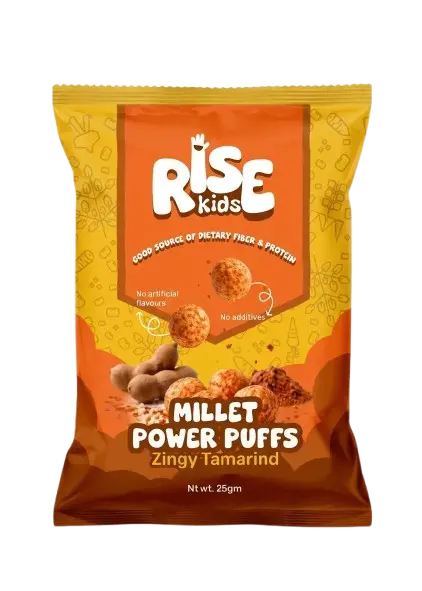
Snacks that pull their nutritional weight.
Put the 25% Rule into practice — millet snacks engineered to deliver real nutrients, not empty calories.
In this series
The Science of Smart Snacking
Decoding RDA: What Recommended Dietary Allowances Really Mean for Your Family
RDA, EAR, UL? Confused by nutrition acronyms? We break down the science of Recommended Dietary Allowances and how to use them to ensure your child isn't just surviving, but thriving.
The Ultimate Guide to Essential Nutrients for Growing Kids: What Every Parent Needs to Know
Unlock the secrets of childhood nutrition. A comprehensive deep dive into the 7 essential nutrients that fuel your child's growth, brain development, and immune system, backed by the latest RDA standards.
Global Standards of Nutrition: How the World Defines 'Healthy' for Kids
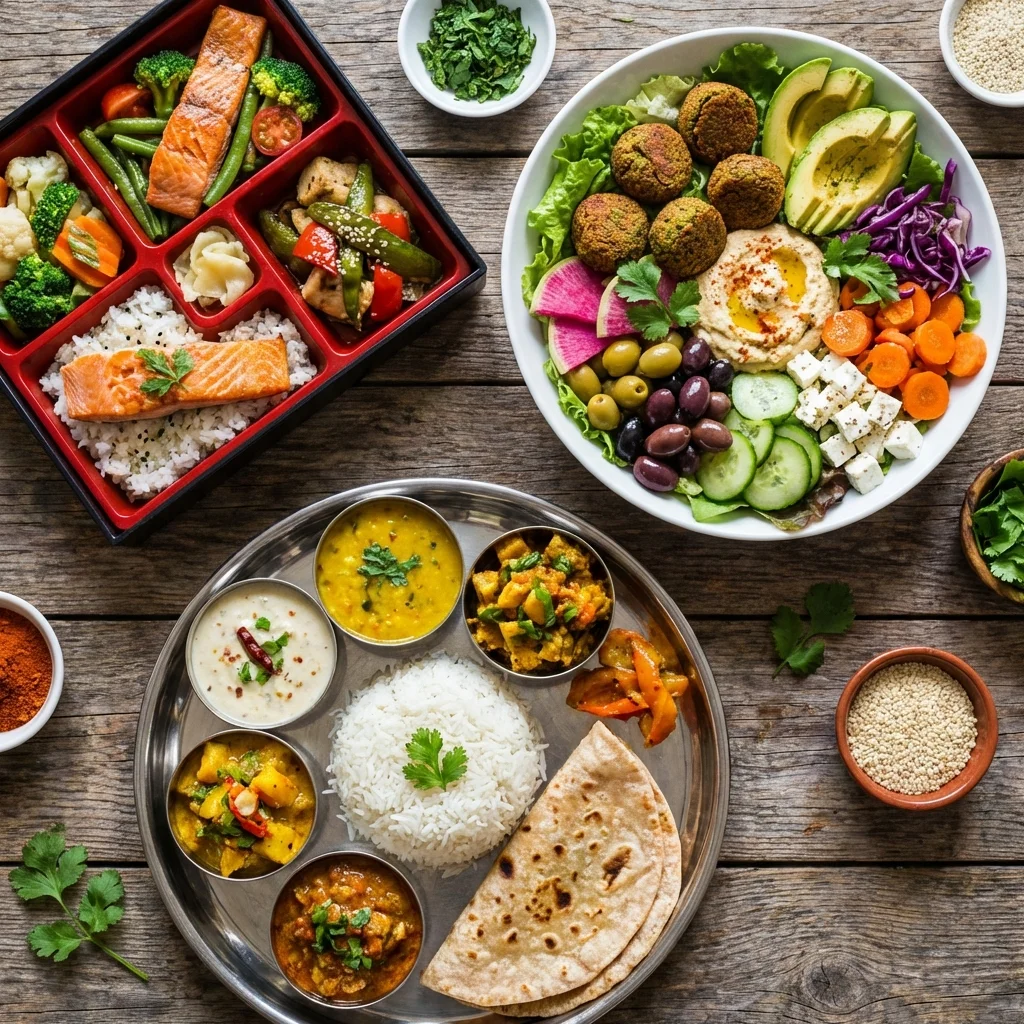
A fascinating look at how different countries approach childhood nutrition. From Japan's Shokuiku to the Mediterranean diet, explore global standards and what we can learn from them.
Share this knowledge
Help other parents raise healthy champions!