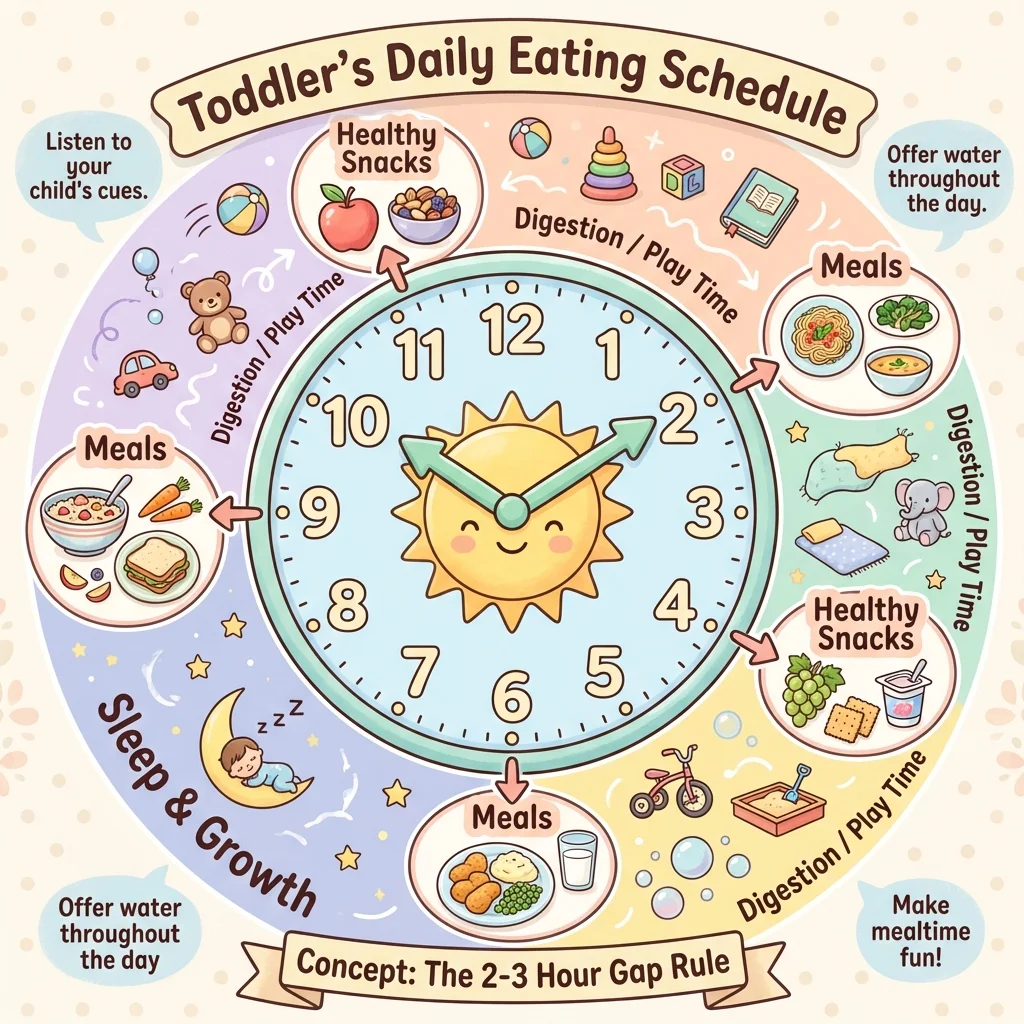
"He just won't eat his lunch!" We hear this constantly. But when we ask, "What did he eat before lunch?", the answer is often: "Just a few crackers at 10 am. Then half a banana at 11 am. And a little juice."
This is called Grazing. And it is the #1 enemy of a healthy appetite.
Key Takeaways
- Grazing keeps the hunger hormone ghrelin in a permanent grey zone, so your child is never hungry enough to eat a real meal.
- Meals and snacks spaced 2–3 hours apart let both appetite and digestion reset — including the gut's between-meal cleaning wave.
- The goal isn't fewer snacks but scheduled snacks: two planned snacks a day, with water-only gaps in between.
- Make each snack count by pairing a carbohydrate with protein or healthy fat so it actually satisfies until the next meal.
Grazing vs. a Scheduled Day
| Constant Grazing | Scheduled Meals + Snacks | |
|---|---|---|
| Hunger | Never fully hungry ("grey zone") | Arrives at meals genuinely hungry |
| Digestion | MMC cleaning wave keeps restarting | Stomach empties, gut resets between feeds |
| Snack quality | Whatever is quick and sweet/salty | Planned, balanced snacks |
| Mealtimes | Picky, fussy, "not hungry" | Calmer, better appetite |
The Science of Hunger
Hunger is a hormonal signal called Ghrelin, released by the stomach lining, and it takes time to build up. Ghrelin rises gradually on an empty stomach and only reaches the level a child recognises as "I'm really hungry" after a couple of hours without food.
If a child eats a small bite every hour, their Ghrelin never climbs high enough to trigger true hunger. They live in a permanent grey zone — "Not Full, Not Hungry." In that state, nothing looks appealing except the most hyper-palatable options (sweet, salty, crunchy).
Result: They pick at their healthy lunch because they simply aren't hungry enough to eat it — and the parent, worried they've eaten "nothing," offers another snack. The grazing loop feeds itself.
The Digestion Gap (The Migrating Motor Complex)
There's a second, less-known reason to space out feeds: your child's gut needs downtime to clean itself.
Between meals, the body runs a housekeeping wave called the Migrating Motor Complex (MMC) — a rhythmic sweep, roughly every 90–120 minutes, that clears leftover food and bacteria out of the stomach and small intestine. It's the reason a truly empty stomach sometimes rumbles.
- The catch: the MMC only runs when the stomach is empty. Even a small snack switches it off and restarts the digestion clock.
- The problem: a child who grazes every 60 minutes never gives the MMC a chance to complete a full sweep. Over time this shows up as bloating, sluggish digestion, and general fussiness at mealtimes.
Spacing meals two to three hours apart isn't about restriction — it's about letting both the appetite hormones and the digestive system reset.
The Golden Rule: The 2–3 Hour Gap
Nutrition experts — and the widely-used Division of Responsibility framework — recommend a predictable structure of meals and planned snacks, with water-only gaps in between. The parent decides what, when and where; the child decides whether and how much.
The "Kitchen is Closed" Policy — a full day:
| Time | What |
|---|---|
| 8:00 AM | Breakfast |
| (gap — water only) | |
| 10:30 AM | Morning snack |
| (gap — water only) | |
| 1:00 PM | Lunch |
| (gap — water only) | |
| 4:00 PM | Afternoon snack |
| (gap — water only) | |
| 7:00 PM | Dinner |
Each 2–3 hour gap lets the stomach empty, the MMC run, and Ghrelin climb — so your child arrives at the next meal genuinely hungry. Note there are still two planned snacks a day: the goal isn't fewer snacks, it's scheduled snacks instead of constant grazing.
Make the Snack Count
Since those two daily snacks land in the window that supplies around 25% of a child's calories, what goes in them matters. A snack of plain biscuits is pure refined carb — it spikes blood sugar, then crashes it, and 45 minutes later they're "hungry" again.
Build snacks that actually satisfy by pairing a carbohydrate with protein or healthy fat, which slows digestion and keeps blood sugar steady:
- Apple slices + a few nuts or nut butter
- A ragi ladoo (iron + calcium + slow-release energy)
- Roasted makhana or a boiled egg for protein
Per ICMR-NIN 2020 a 1–3 year old needs only about 12.5g of protein a day, so even a small protein-containing snack makes a real dent — and a satisfying snack holds hunger far better than a sugary one, making the next mealtime easier.
What About Bedtime Snacks?
"Will he wake up hungry?"
- Yes: If dinner was early (5 PM) or light.
- The Best Bedtime Snack: A "Boring" Snack.
- Half a banana + Almond butter (Magnesium helps sleep).
- Warm Milk (without sugar).
- Avoid: sugary treats or excited "rewards." The goal is fullness, not fun.
Frequently Asked Questions
How long should I wait between my toddler's meals and snacks? Aim for a 2–3 hour gap, with only water in between. That window gives the hunger hormone ghrelin time to build and lets the digestive system complete its between-meal cleaning wave, so your child arrives at the next meal genuinely hungry.
Is snacking bad for toddlers? No — planned snacks are a normal and important part of a toddler's day, supplying around a quarter of their daily calories. The problem is grazing: constant nibbling that never lets true hunger develop. Two scheduled snacks are healthy; all-day munching is not.
My child says they're hungry between meals. Should I give in? Not usually. A child who grazed an hour ago is rarely truly hungry — they're in the "not full, not hungry" grey zone. Offer water and hold the schedule. Genuine hunger at the next mealtime is exactly what you're building.
What makes a snack actually filling? Pairing a carbohydrate with protein or healthy fat, which slows digestion and steadies blood sugar. Think apple slices with nut butter, a ragi ladoo, roasted makhana, or a boiled egg — far more satisfying than plain biscuits.
Should I give my toddler a bedtime snack? Only if dinner was early or light, and keep it "boring" — half a banana with almond butter or warm unsweetened milk. Avoid sugary treats before bed; the aim is fullness, not excitement.
Conclusion
It’s hard to say "No" when your child asks for a snack. But remember: You aren't starving them; you are building their appetite for the nourishment they actually need. Stick to the schedule. The tears will last 2 days. The healthy eating habits will last a lifetime.
References & Scientific Sources
- Ellyn Satter Institute. "The Division of Responsibility in Feeding."
- American Academy of Pediatrics. "Toddler Nutritional Needs."
- Journal of Gastroenterology. "The Migrating Motor Complex."
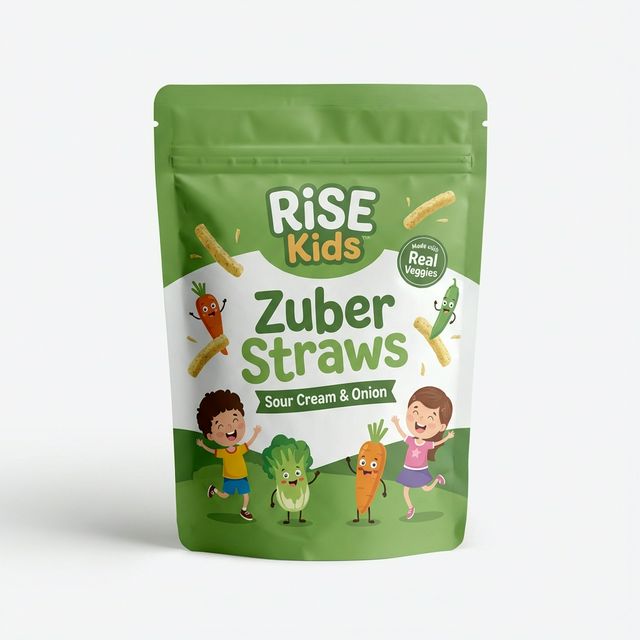
Perfect little hands-on snacks.
Crunchy, mess-free millet puffs that are easy to grip — ideal for self-feeding and lunchboxes.
Start here
The Science of Self-Feeding: Why Messy Eating is Actually Brain Development
Tired of cleaning up food from the floor? Discover why that mess is a crucial part of your child's brain development and how to embrace the chaos.

The Science of Self-Feeding: Why Messy Eating is Actually Brain Development
Tired of cleaning up food from the floor? Discover why that mess is a crucial part of your child's brain development and how to embrace the chaos.
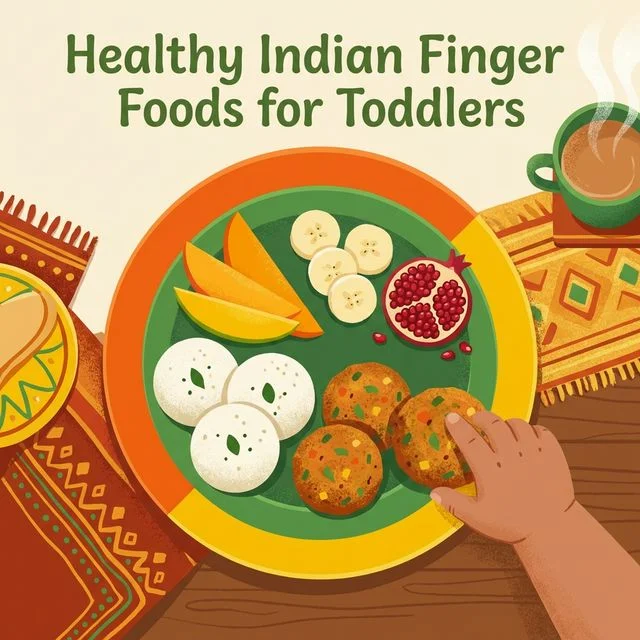
Finger Foods: The Secret to Building Independence (and a Pincer Grasp!)
Is your baby ready for finger foods? Discover how simple bites like Idli strips and Carrot sticks can boost their brain development and fine motor skills.
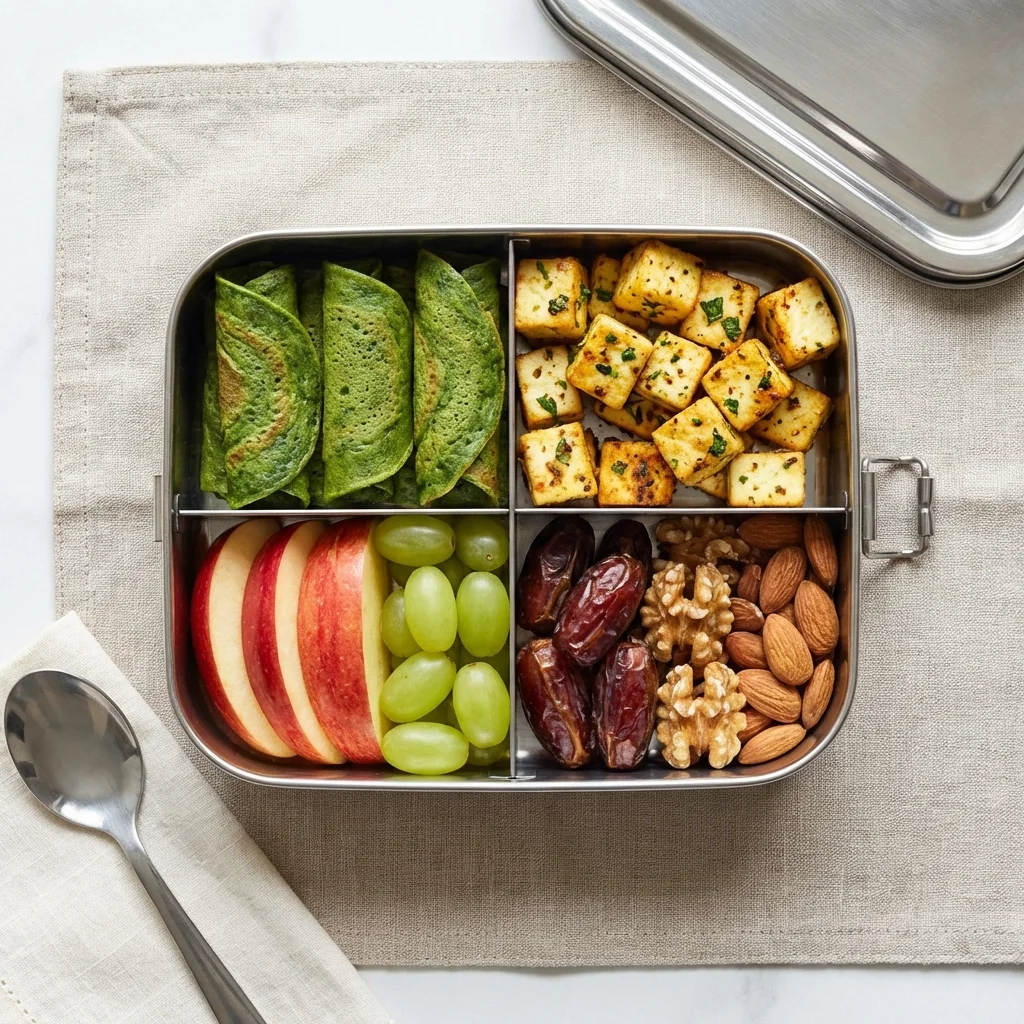
The Anti-Soggy Tiffin Guide: 5 School Snacks That Stay Fresh
Tired of your child bringing back a full lunchbox? It might be the 'Soggy Sandwich' factor. Here are 5 nutrient-dense, non-messy Indian tiffin ideas.
Share this knowledge
Help other parents raise healthy champions!